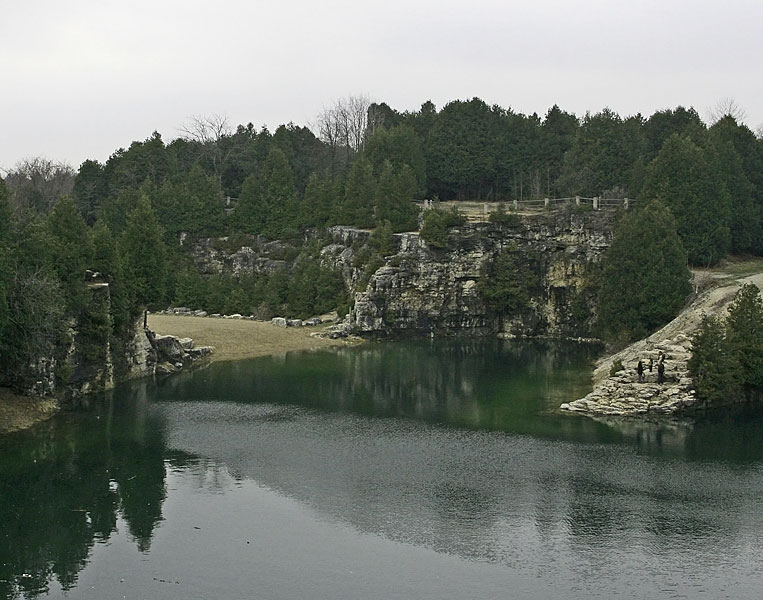
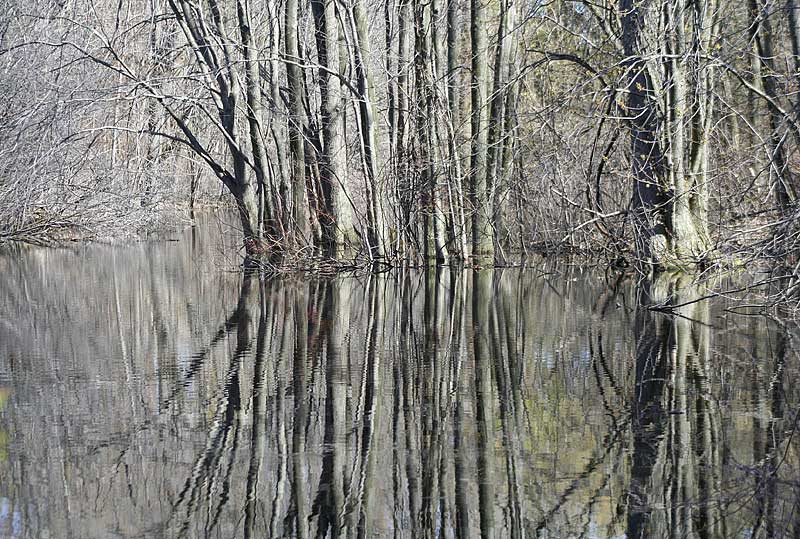
Pond at The Arboretum
This one of those rare shots that really didn't need much editing.
Spring is upon us - trillium time will soon be here.
The Arboretum, Guelph
This one of those rare shots that really didn't need much editing.
Spring is upon us - trillium time will soon be here.
The Arboretum, Guelph

One of the earliest spring flowers found in the damp open woodlands of the Arboretum is the trout lily - so called becuase the mottled leaves resemble a trout's colouring.
The Arboretum, Guelph
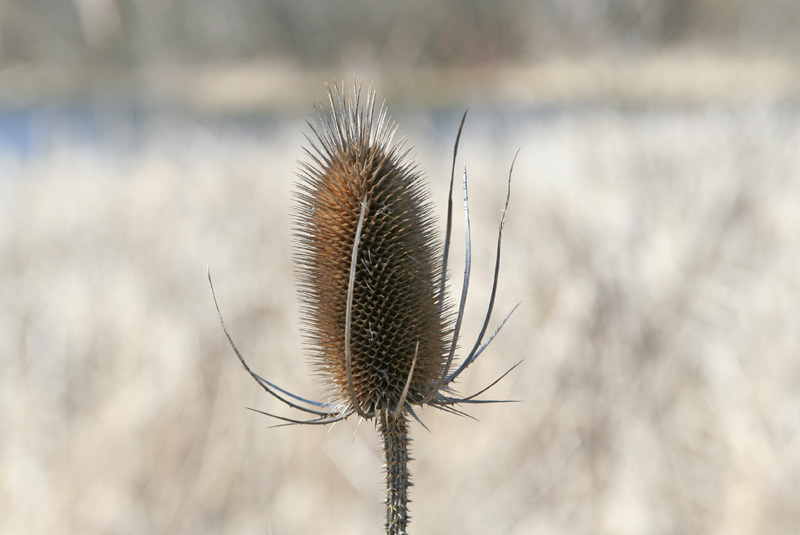 Teasel along the Grand River in Cambridge.
Check out other Guelph blogs at Blog Guelph.
Preston
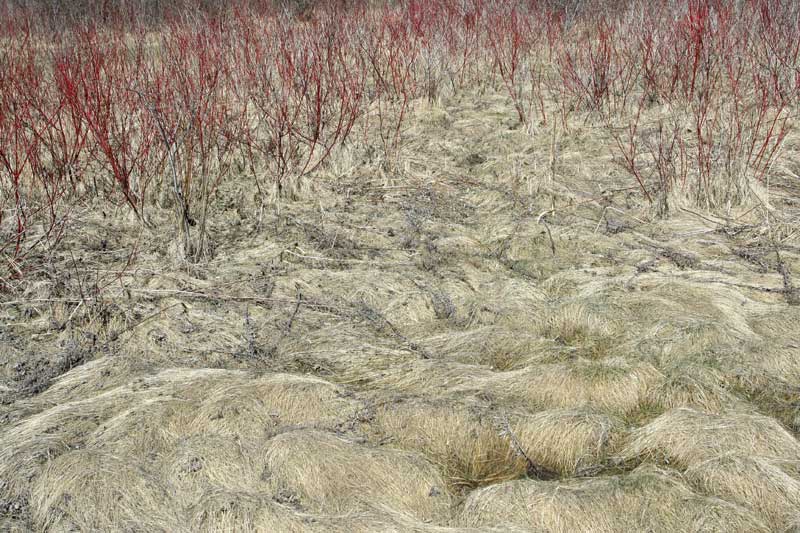
Red osier dogwood in matted grass along the Grand River in the old Preston part of Cambridge, Ontario.
Can be used to cook bannock.
Cambridge

Last weekend there was still some ice in the water off Sauble Beach.
And to think that in just a few months these waters will be steaming with pop pee, oops, I mean the air will be overly infused with teenage pheromones, I mean you won't see me here - there are lots of uncrowded areas on the same coast.
Sauble Beach
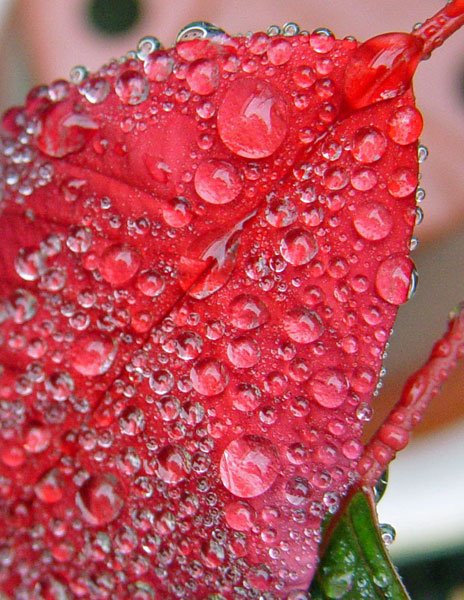
If you have a new digital camera and want to step beyond the auto setting mode and take more creative control this post might interest you.
Yesterday I met with a couple of people interested in improving their photography by learning more about how to set up their camera to ensure good colour, focus and exposure.
I made these notes about our discussions on a starting point for exploring more manual control for creative purposes.
Photography Tips - Creative control through manual camera settings
1. ISO - set ISO to the highest value possible without generating too much noise - this varies from camera to camera - for a Canon S2 IS it would be 200, for a Rebel XT - 800 or possibly 1600.
2. Metering - set metering to evaluative so that the camera looks at the whole scene, just as your eye does, when calculating exposure. Later you can try the advanced metering modes - centre weighted and spot.
3. Focusing - set the camera to focus on a central box. When composing your shot focus on the subject of interest and while still holding the shutter button down half way recompose the view and finish taking the shot.
4. Creative mode setting - set camera to Aperture Priority, Av, and select f8 as the aperture. This will ensure a good depth of field of focus as all zoom lengths.
5. White Balance - set to Auto White Balance, AWB, unless you're taking shots e.g. indoors with incandescent lights, then select tungsten.
Using these settings when you press the shutter halfway the camera calculates the focus point (the middle box) and the shutter speed necessary to capture the image.
The shutter speed which the camera has calculated is displayed on your viewfinder.
At this point you must decide if the shutter speed is appropriate for the subject matter.
And how do you tell that? Well, first, if you're hand holding the camera you'll want to steady it as much as possible to avoid camera shake which results in blurry pics.
So one thing you can do is use the viewfinder rather than the LCD panel to compose your shot - this allows you to prop the camera against your body rather than have it dangling in the air.
Even so positioned the slowest shutter you can use is generally given to be the reciprocal of the focal length, glaze, glaze. This means when your shooting with the lens at the wide angle setting, e.g. 38mm you're slowest allowed shutter without camera shake would be 1/38th second. With the lens fully extended to, say 430mm, the slowest shutter would be 1/430th second.
A camera with IS - Image stabilization, will allow you the shoot with an even slower shutter than normally possible.
So, when you're taking your shot, you check the shutter that the camera suggests then either say yes that's OK and finish your shot or you say no - that's too slow.
If the shutter suggested is too slow you reduce your aperture from f8 to f3.4 or f2.7 realizing that while you are opening up the size of the aperture to allow more light in so you can use a slower shutter speed you are also reducing the depth of field.
The depth of field is the part of the pic which is in focus - from the point you actually focused on extending backwards a certain distance and extending in front of it a certain distance. The choice you make on aperture size determines what subject in the composition is in focus.
You then recompose the shot check that the shutter speed this time is acceptable and finish the shot.
There will be times, with certain compositions, that the exposure calculated by the camera will not be correct - too much light will get in and burn out the highlights or not enough will get in resulting in a dark snap. Your options at this point are to go to full manual mode, M, and adjust either or both of the shutter speed and aperture opening - or - stay in Av mode and use exposure compensation.
Enough! Uncle! Uncle!
One very important in camera tool you should use is the histogram. You might remember your film camera having a needle which moved or some such visual clue to tell you when the exposure was set right. That's basically what the histogram does. It's a little graph that looks like your hydro consumption bill. If everything is bunched over on the left your pic is dark (and maybe they cut your hydro off six months ago) - if the histogram crowds off the graph to the right there are likely blown highlights because the snap is overexposed. Learn to check the histogram after taking a pic - you can see right away if areas are overexposed because they flash in the thumbnail pic on the LCD.
f2.2 to show narrow depth of field, Guelph
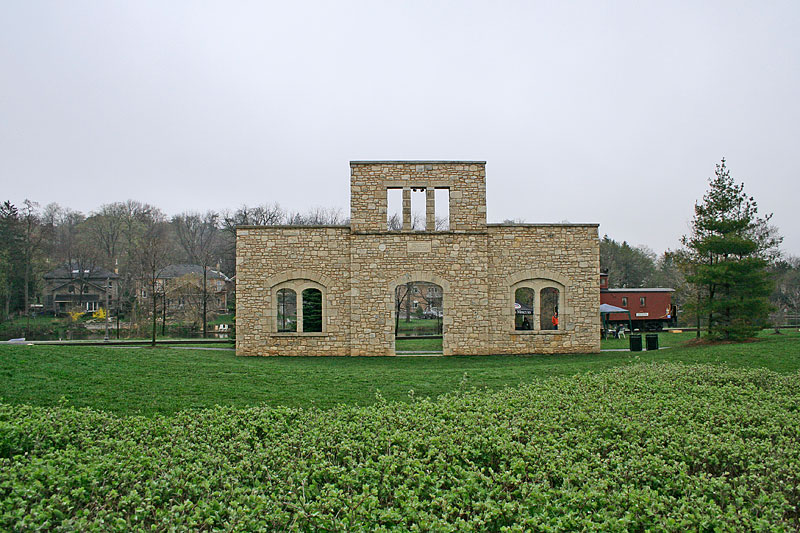
Today was Doors Open day in Guelph. A caboose restored by the Guelph Historical Railway Association was open for display near the River Run Centre by the remains of the old Speed Skating Rink.
Guelph

Striped Squill and visitor. I used to think gardens changed rather slowly but now it seems the more attention you spend the faster they change.
Guelph

The illegible sign at the base of the mill reads "Elora Mill Hydro Electric Plant". This is a popular area for tubing and other water sports.
Elora

The Pottawatomi River runs above the escarpment in the Pottawatomi Conservation Area near Owen Sound before it cascades over Jone's Falls.
near Jone's Falls, Pottawatomi Conservation Area

A beautiful sunny day at the Elora Gorge brought out young couples, old couples, families, mothers and daughters, this trio of teenage Mennonites, and beauty seekers with cameras.
Elora, Ontario

A calm scene of stone and water along the Grand River behind the main street of Fergus.
Fergus, Ontario
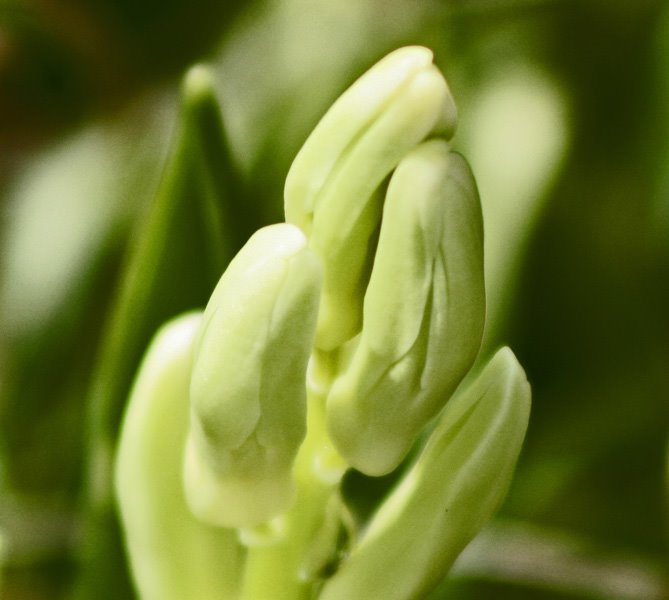
Our small garden out back is a land of trouble and promise with tiny cracks of beauty shining through. This morning I noticed these yellow flowers.
Guelph

Birthday girl thinking gee I'd kinda like to stay outside and play with my new bike.
Guelph

I don't know yet what these small flowers are called but they reminded me of sunflowers yelling out to the sun "Look at me! Look at me!" and that reminded me of a William Blake poem Ah Sunflower as performed by The Fugs.
Ah Sunflower, weary of time,
Who countest the steps of the sun;
Seeking after that sweet golden clime
Where the traveller's journey is done;
Where the youth pined away with desire,
And the pale virgin shrouded in snow,
Arise from their graves, and aspire
Where my Sunflower wishes to go!
Preston

What looks like skunk cabbage coming up in a swampy area alongside the Speed River in Riverside Park.
Preston, Cambridge, Ontario
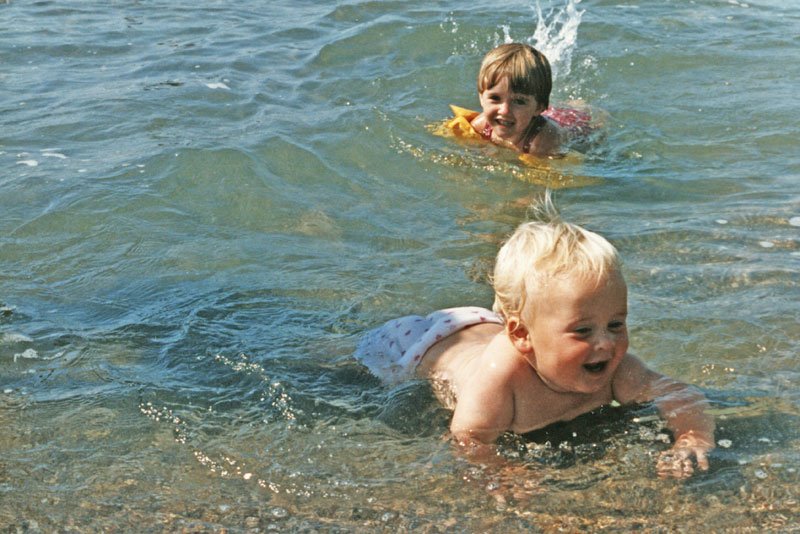 Alec and Ani washing in a baptism of fun.
Today is a rebirthday.
Listen to the song.
Read the lyrics.
Song, Guelph, 199?
Photo, 1985
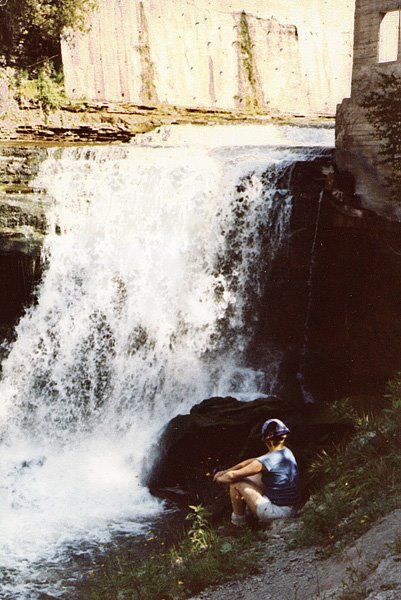
About 30 years ago we hiked along the Bruce Trail and stopped here, near the Forks of the Credit River, to admire this falls, called both Cataract Falls and Churches Falls. It was the site of a very early hydro power plant in 1899.
1977 Cataract
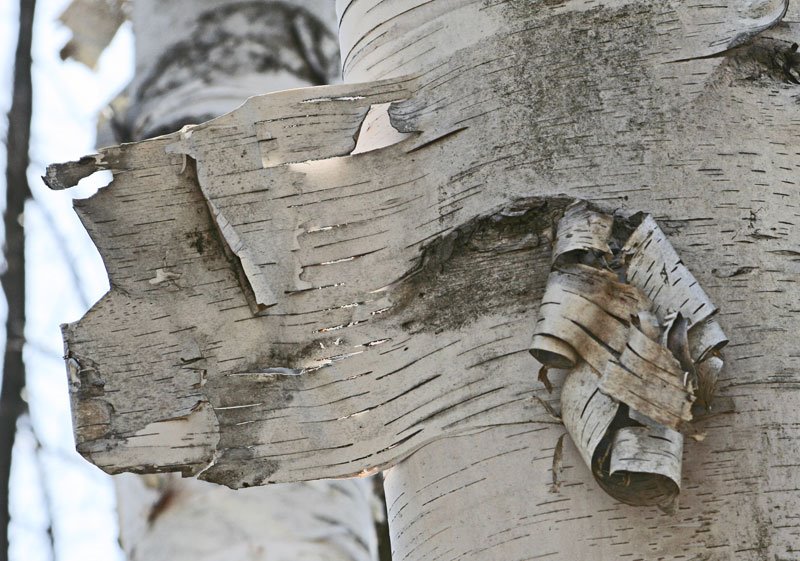
Here's a hybrid map of the Credit Valley Footpath
near Georgetown, and Norval too, sort of

Stories, songs, drums and dance.
Last December I took photos of Adwoa and the dozens of others involved in making "The Griot's Journey: An Odyssey Of Story Telling"- DVD.
DVD Launch is Sat Apr 29 2006.
Guelph Youth Music Centre
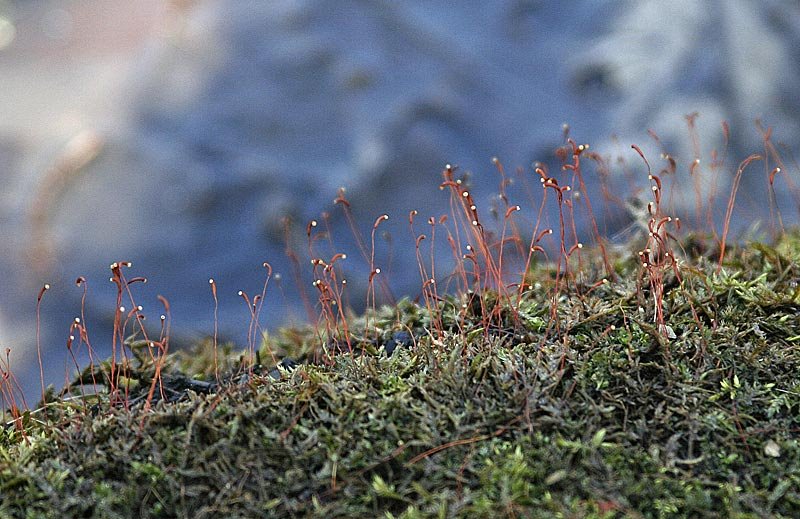
The thin red stalk is the seta which holds the spore capsule of this moss. Together they constitute the sporophyte or fruit of the moss.
Bruce Trail, Credit Valley Footpath

Here's another shot of a slightly different part of the stream from yesterday. Some dead leaves and stone give a different colour arrangement.
Credit Valley Footpath, Bruce Trail, near Terra Cotta
 We hiked through the Credit River Valley, one of the haunts of Lucy Maud Montgomery - along a part of the Bruce Trail called the Credit Valley Footpath there was an offshoot called the Roberts Side Trail - not too far from Terra Cotta. The shallow flow of a small spring creek rolled over a limestone area covered in moss and the angle of a bright sun brought these abstract patterns to our notice.
near Terra Cotta
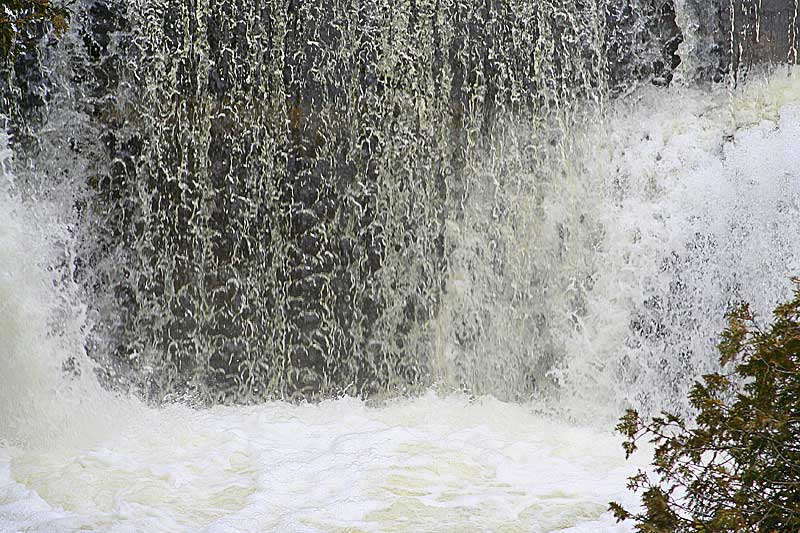
The Eramosa River is carrying away those winter snows - on their way to the Grand River and Lake Erie their curtain flows over the Harris mill pond dam.
Rockwood Conservation Area
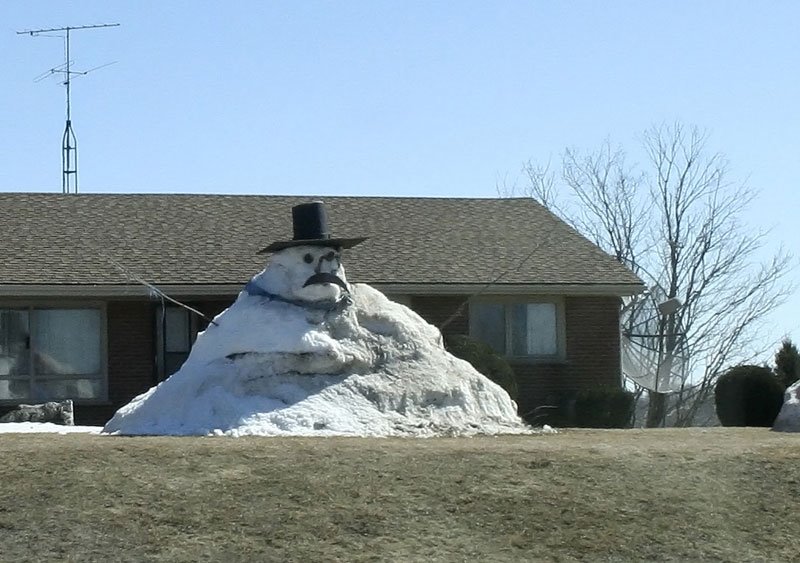
The melting cowboy snowman - someone having some final winter fun - just south of Rockford.
Highway 6/10

Another shot of a building on Owen Sound's main street - just up the street from the day before yesterdays pic. Nice lamposts too.
Owen Sound
 Inglis Falls is unusal in that it is a cascade falls that descends over several steps of large boulders. Most falls along the Niagara Escarpment are curtains falling over a ledge.
Owen Sound
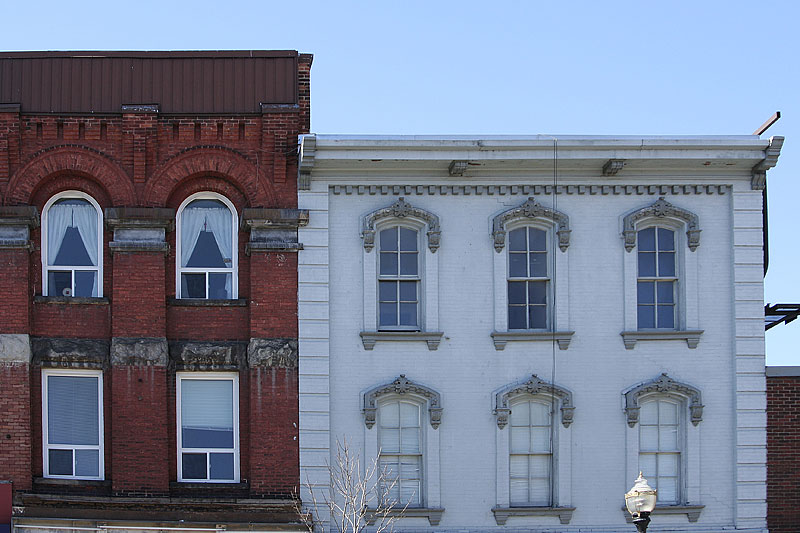
There are some beautiful old store fronts with apartments above along the main drag in Owen Sound. Very typical Ontario architecture - nice to see it still there when so many downtowns have been bulldozed into el moderne.
Owen Sound
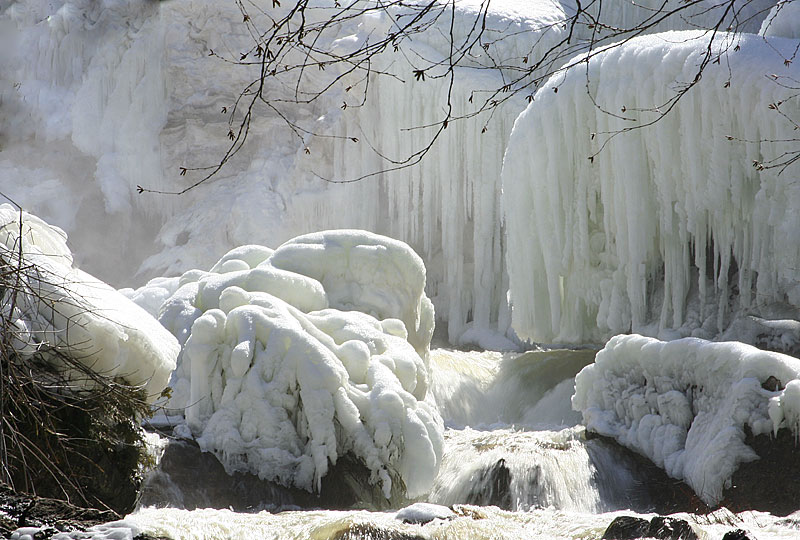
It's a bit tricky getting down to the gorge at this time of year - you're not quite sure how solid the snow is and how far your leg will poke into it - but it's a beautiful sight looking up at the falls. The water is loud loud.
Inglis Falls, Owen Sound

"A number of Amish and Mennonite communities exist throughout the Maitland River basin, including settlements in the communities of Milverton, Atwood, Listowel and Lucknow. The former village of Milverton has the largest and longest standing community of Canadian Old Order Amish in Canada. "Amish Mennonites", often simply referred to as Amish, are a group of Anabaptist Mennonites from Switzerland, Alsace and Lorraine in France and South Germany that were followers of Jakob Ammann in the late 17th century. The term applies equally to their North American descendents, who came to Ontario from Pennsylvania or directly from Europe in the 1820s, to settle near the Regional Municipality of Waterloo (Grand River watershed). The Milverton and Lucknow Amish are considered "old order" communities. Other Mennonite communities exist in Listowel and Atwood." - Guelph Water Management Group
Near Lucknow

If you want to increase your blog readership there are two basic marketing laws which will help you:
1. Use! as! many! exclamation! marks! as! you! possibly! can!!!
2. Post photos of hot naked university chicks.
College Royal, University of Guelph

The University of Guelph's strong agricultural elements and vet school ensure some exciting fauna will be displayed at the annual open house, College Royal. In addition to this boa constrictor there were several other varities of snakes as well as turtles, birds, horses, cattle, sheep, llamas, and more.
Guelph

Seems to be a reverse mullet on this fashionable alpaca at College Royal.
University of Guelph
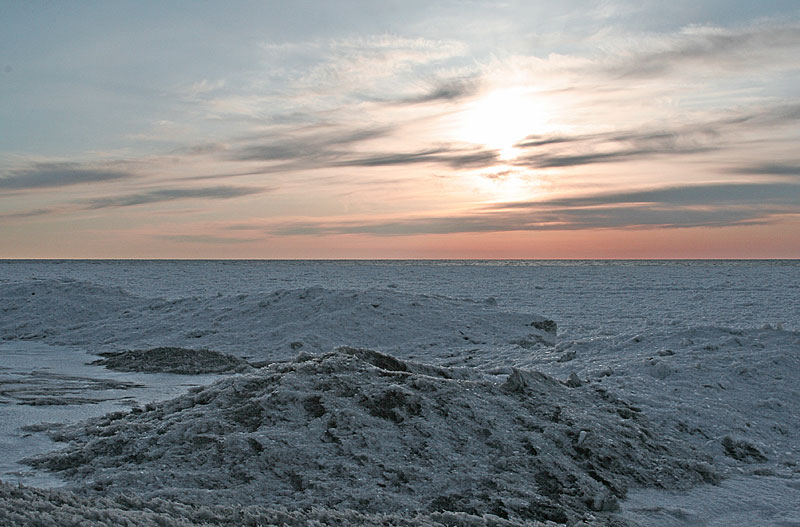
Even in winter the sunsets over Lake Huron can be glorious. The ice does go out a ways but it's not stable enough to venture out onto.
Port Albert

Today was College Royal, the annual open house at The University of Guelph. The petting zoo was a popular spot.
University of Guelph
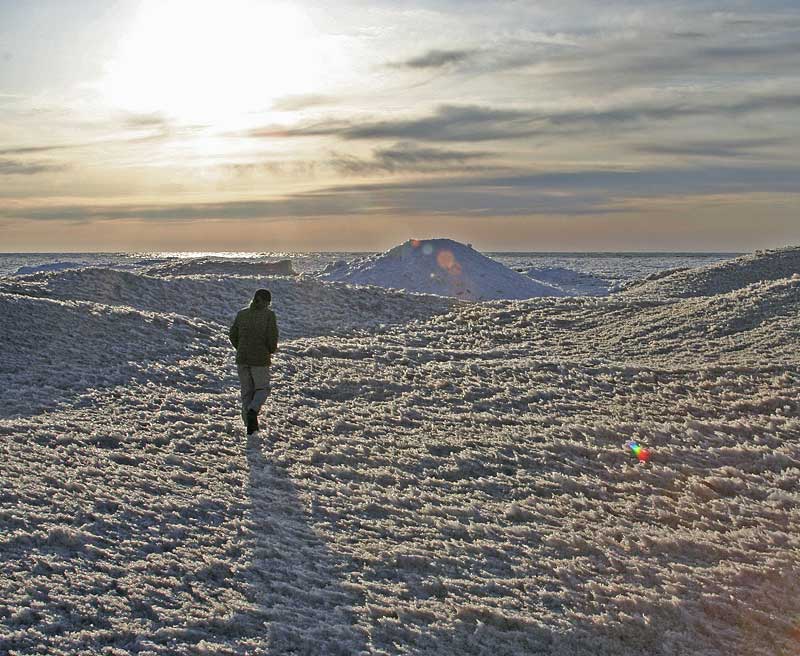
There is still lots of ice on the Lake Huron shore. Sarah heads into the sunset at Port Albert - there is a very funky inn here - great food and very nice people.
Port Albert
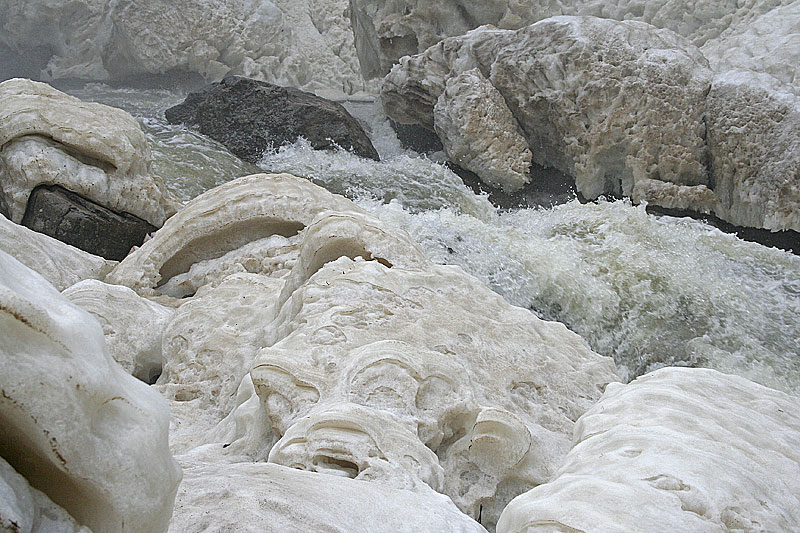
I'm always fascinated by the various forms water takes on - sculpted by wind, gravity and temperature. This area looks quite different in the summer.
Spencer Gorge
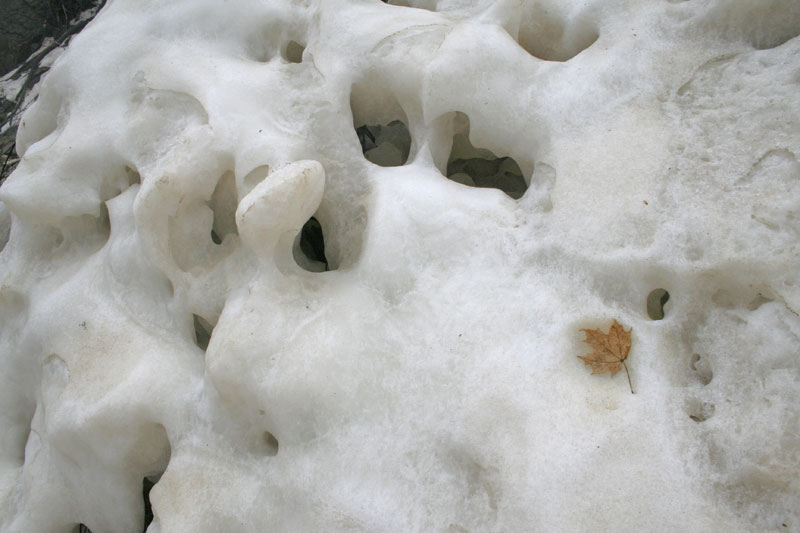
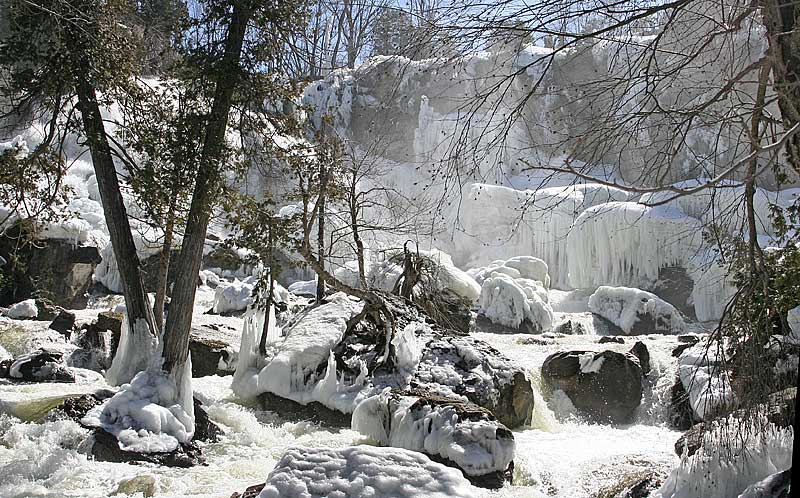
The warmer weather is taking the edge off the ice below Webster's Falls in the Spencer Creek gorge.
Spencer Creek Gorge
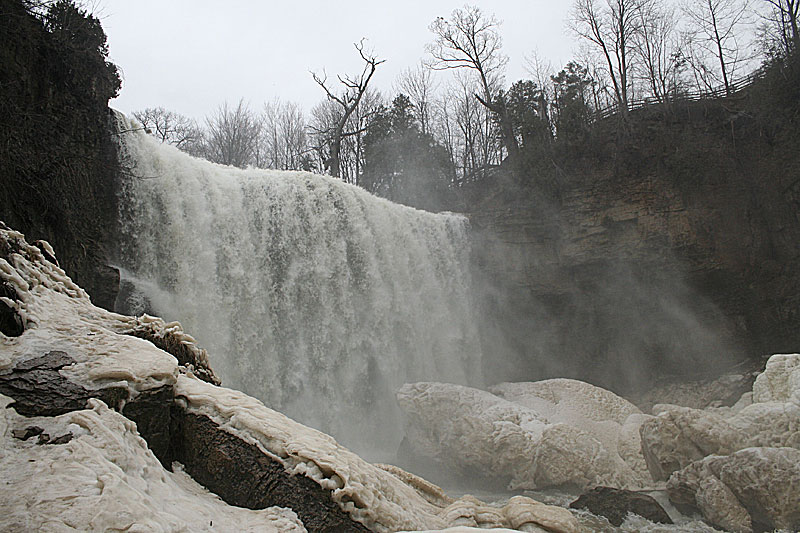
Mist rises from the bowl below as Spencer Creek's spring rush flows over Webster's Falls.
Near Dundas
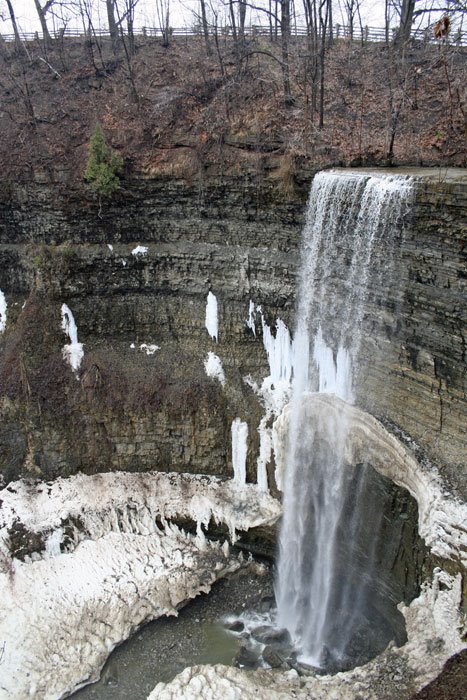
It's hard to tell from this angle but this is a tall waterfall - just a few metres short of Niagara Falls' height. Not much volume but a pretty sight nonetheless. Quite accessible, just a short path in from the road and new safe viewing platforms.
Tew's Falls, near Dundas

Last Sunday snow covered our garden. Today these precocious snow drops appeared to herald the spring.
Guelph
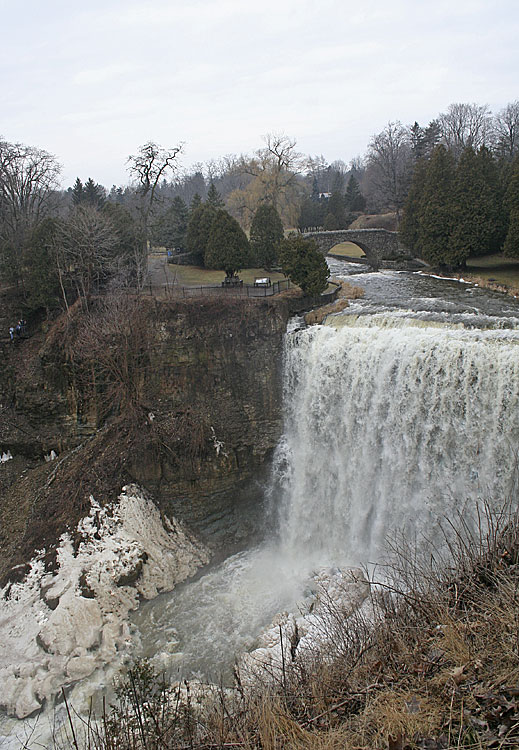
Spring thaw brings reams of freed water down Spencer Creek and over Webster's Falls near Dundas. This is one of the largest waterfalls on the Niagara Escarpment - and very accessible. A beautiful setting along the Bruce Trail, with other waterfalls, Tew's and Borer's, within hiking distance.
Dundas